
Have you ever scrolled through your Instagram feed and wondered if the accounts you follow actually follow you back? You’re not alone. In today’s social media landscape, where Instagram views and follows hold significant value for personal branding and business growth, understanding the dynamics of mutual following has become increasingly important. Whether you’re building your personal brand, growing a business, or simply want to maintain meaningful connections, identifying one-sided Instagram relationships can help you create a more engaged and authentic community.
The reality is that not everyone you follow will follow you back, and that’s perfectly normal. However, recognizing the signs of non-reciprocal following can help you make informed decisions about your Instagram strategy and create a more curated, engaging feed. From subtle behavioral patterns to technical indicators, there are several telltale signs that someone isn’t following you back on Instagram. Let’s dive into the seven most reliable signs that will help you identify these one-sided digital relationships and optimize your Instagram experience.
Understanding Instagram’s Follow Dynamics
Before we explore the signs, it’s essential to understand how Instagram’s following system works. When you follow someone on Instagram, you’re essentially subscribing to see their content in your feed. However, following someone doesn’t guarantee they’ll follow you back. This creates what many users call “one-sided follows” or non-reciprocal relationships.

Instagram doesn’t notify users when someone unfollows them, which means these relationships can exist without either party being immediately aware. This privacy-focused approach prevents unnecessary drama but can leave users wondering about the status of their connections. Understanding these dynamics is crucial for anyone looking to build genuine engagement and maintain a healthy follower ratio.
Sign #1: Their Content Never Appears in Your Interactions
One of the most obvious signs someone doesn’t follow you back is the complete absence of their engagement on your posts. When someone follows you, they’re more likely to see your content in their feed, increasing the chances of likes, comments, and shares. If you notice that certain accounts you follow never interact with your posts despite being active on the platform, this could indicate they’re not following you back.
Pay attention to accounts that regularly post content but never engage with yours. While some people are passive consumers who rarely like or comment on posts, a complete lack of interaction from active users often suggests they’re not seeing your content in their feed. This is particularly telling if you notice they engage with other accounts in your niche or circle but consistently skip over your posts.
Keep in mind that Instagram’s algorithm doesn’t show all posts to all followers, so occasional missed interactions are normal. However, a persistent pattern of zero engagement from otherwise active accounts is a strong indicator of non-reciprocal following.
Sign #2: Manual Profile Checking Reveals the Truth
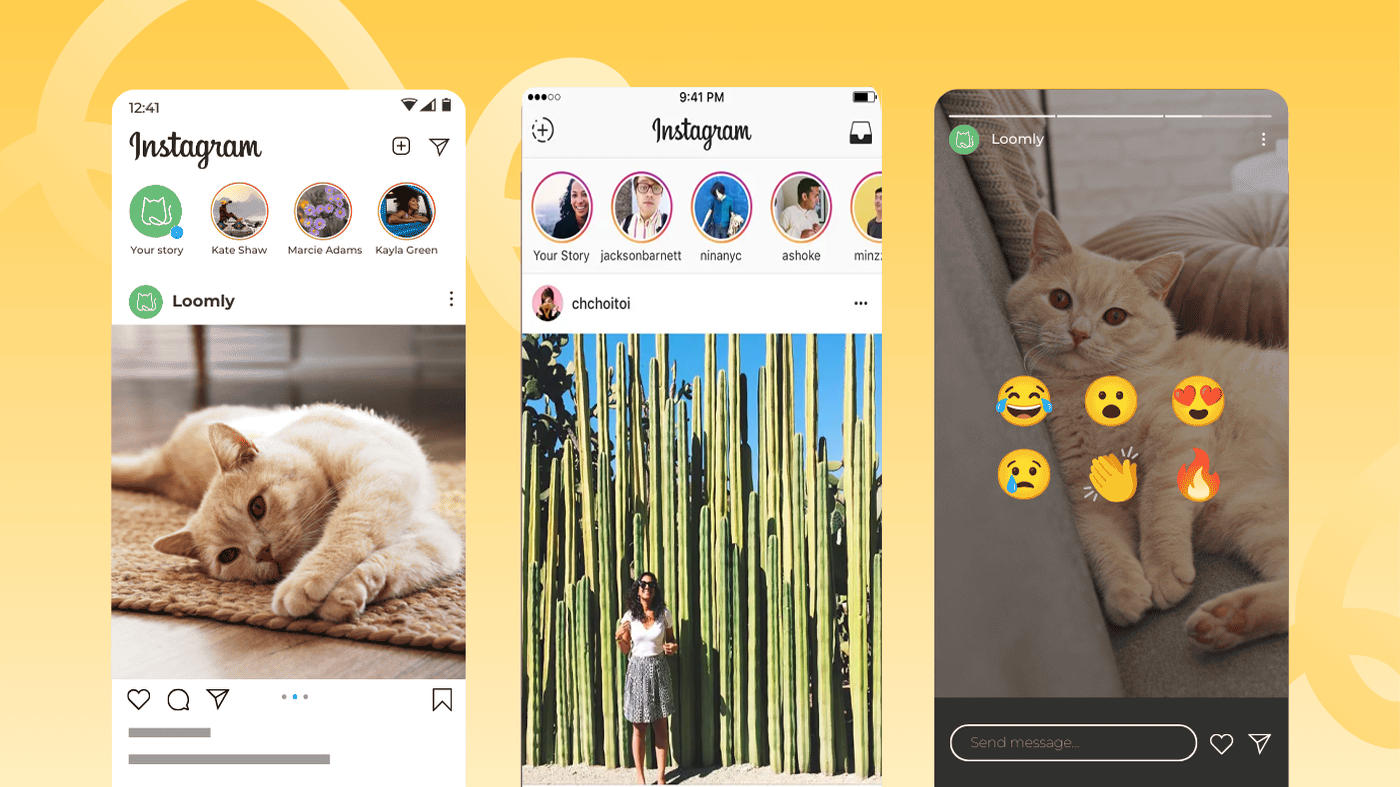
The most straightforward way to determine if someone follows you back is through manual checking. This method involves visiting the profile of the person you suspect doesn’t follow you back and examining their following list. Here’s how to do it effectively:
Navigate to their profile and tap on their “Following” count. Once you’re in their following list, use the search function at the top to search for your username. If your account doesn’t appear in their following list, it confirms they’re not following you back. Alternatively, you can check your own followers list and search for their username to see if they appear there.
While this method is time-consuming for large numbers of accounts, it’s the most reliable way to verify follow-back status without using third-party applications. For accounts with thousands of followers, you might want to focus on checking specific users rather than going through your entire following list manually.
Follow Steps to Manual Profile Checking
- View your profile, including your posts, bio, followers, and following lists.
- Access your account history to track any changes you’ve made.
- Check your activity related to content, accounts, and interactions.
- See insights on your profile’s performance, like reach and engagement.
- Review your link history.
Here’s a detailed guide:
Viewing Your Profile
- Tap your profile picture at the bottom right corner to view your posts, bio, followers, and following.
Editing Your Profile
- Tap Edit Profile to update your profile picture, bio, and other information.
Accessing Account History
- From your profile, tap the menu icon (three lines), then select Your Activity > Account History to see changes you’ve made.
Checking Your Activity
- In Your Activity, you can also review interactions, links you’ve shared, and other actions related to your account.
Viewing Profile and Content Insights
- Go to your profile and tap Professional Dashboard or Insights (depending on your account type) to view metrics such as reach, impressions, and engagement.
Checking Account Status
- Instagram lets you check Account Status, where you can see removed content, features you can’t use, or request a review of removed posts.
Sign #3: Engagement Patterns Don’t Include You
Another clear sign someone doesn’t follow you back is analyzing engagement patterns across your mutual connections. If you notice that certain accounts consistently engage with your friends, colleagues, or others in your network but never interact with your content, this pattern suggests they’re not following you.
Social media users tend to engage with content from accounts they follow, especially when those accounts post relevant or interesting content. When someone consistently skips over your posts while actively engaging with similar accounts, it’s often because your content isn’t appearing in their feed due to the lack of a follow-back.
This pattern becomes even more apparent in comment sections of mutual connections. If you see the same accounts commenting on posts from people you both follow but never on yours, despite posting similar content, it’s a strong indicator they’re not following you back.
How to Check and Improve Your Instagram Engagement
1. Accessing Instagram Insights
- Profile Engagement Rate:
Go to your profile, open the Professional Dashboard, and check Total Followers to see overall engagement metrics. - Specific Posts:
Tap any post on your profile and select View Insights to see engagement details for that post. - Overall Metrics:
In the Content section of your insights, you can find a breakdown of how each post is performing.
2. Calculating Engagement Rate
- Formula:Engagement Rate=(Total Interactions/Total Followers)×100
- Interactions Include:
Likes, comments, shares, saves, and other relevant actions. - Tools:
Use tools like ViewMetrics, Hootsuite, or Modash to automate engagement rate calculations.
3. Tracking and Analyzing Engagement
- Content Type:
Identify which formats (Reels, carousels, images) get the most engagement. - Posting Frequency and Timing:
Find out when your audience is most active and schedule posts accordingly. - Audience Engagement:
Monitor how your followers interact—comments, saves, shares—to understand their preferences. - Hashtags and Captions:
Analyze which hashtags and captions boost engagement the most.
4. Improving Engagement
- High-Quality Content:
Create visually appealing and interesting posts. - Active Engagement:
Reply to comments and engage with your followers regularly. - Strategic Hashtags:
Use relevant hashtags to increase your reach. - Interactive Content:
Use Instagram Stories features like polls, quizzes, and questions to encourage interaction. - Consistency:
Post regularly to keep your audience interested. - Optimize Captions:
Write captions that invite comments and interaction. - Run Contests and Giveaways:
Host events that require likes, comments, or shares to participate. - Analyze and Adapt:
Continuously review your engagement data and adjust your strategy accordingly.
Sign #4: Instagram Stories Views Tell a Story
Instagram Stories provide another valuable insight into who follows you back. When you post Stories, you can see exactly who viewed them in the viewers list. If someone you follow never appears in your Stories viewers despite being active on Instagram (evidenced by their own Stories or recent posts), they’re likely not following you back.
Stories typically receive higher visibility than regular posts, and most followers will see them if they’re active on the platform. A consistent absence from your Stories viewers, especially from accounts you know are regularly active, is a reliable indicator of non-reciprocal following.
However, consider that some users may mute Stories from accounts they follow, or they might not frequently check Stories. Look for patterns over time rather than making judgments based on a single Story’s viewer list.
Sign #5: Direct Message Behavior and Response Patterns
The way someone responds to your direct messages can also indicate whether they follow you back. When someone follows you, they’re more likely to see your messages in their primary inbox rather than the message requests folder. Non-followers’ messages typically go to message requests, which many users check less frequently.
If you notice that someone takes unusually long to respond to direct messages or seems surprised by your messages (asking how they know you or how you found them), they might not be following you back. Followers are generally more receptive to direct communication since they’ve chosen to see your content regularly.
Additionally, if someone frequently responds with confusion about your references to mutual connections or shared experiences visible on your Instagram, it could indicate they’re not seeing your regular content because they don’t follow you.
Sign #6: Profile Activity Analysis
Examining someone’s overall profile activity can provide clues about their following habits. Look at their following-to-follower ratio and posting patterns. Accounts with significantly more followers than they’re following often practice selective following, meaning they might not follow back everyone who follows them.

Also, pay attention to the type of accounts they do follow. If their following list consists mainly of celebrities, brands, or accounts vastly different from yours, they might have a specific content preference that doesn’t include your type of posts. This isn’t personal; it’s simply a matter of content curation.
Some users also periodically clean up their following lists, unfollowing accounts that don’t align with their current interests or aesthetic. If someone’s following count frequently fluctuates, they might be regularly removing non-essential follows.
Sign #7: Third-Party Tools and Instagram Analytics
While manual checking is the most reliable method, various third-party tools can help identify non-followers more efficiently. However, it’s important to use these tools cautiously, as they may violate Instagram’s terms of service and could potentially compromise your account security.
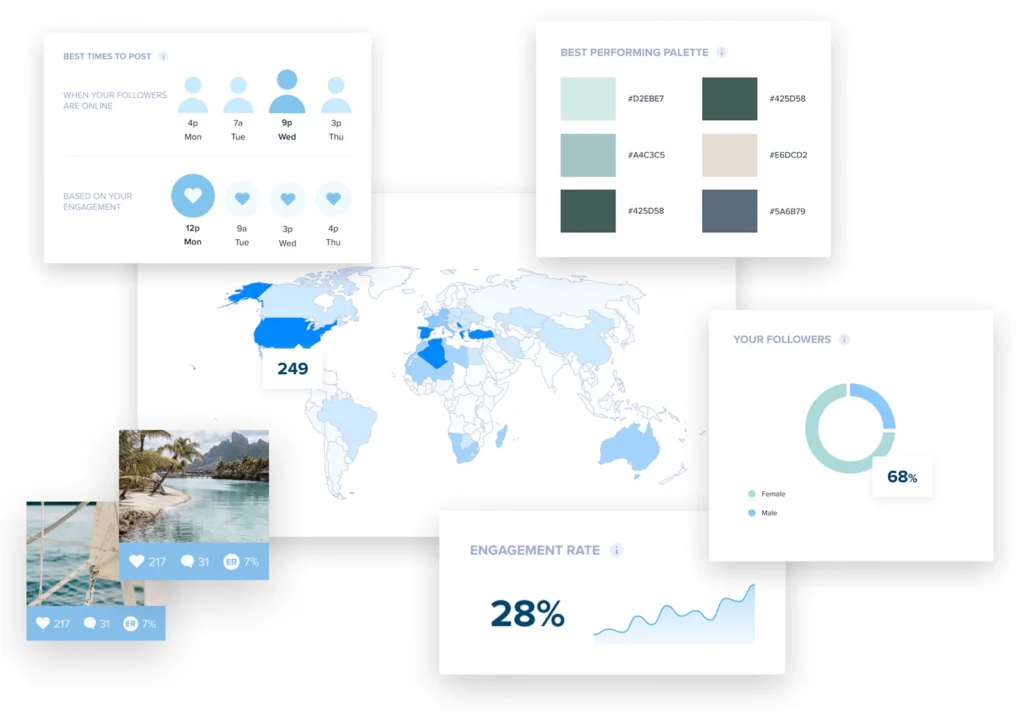
Instagram’s built-in analytics for business accounts can also provide insights. If you have a business or creator account, you can download your follower data and compare it with your following list to identify discrepancies. This method takes more time but doesn’t involve external applications.
Some users also take periodic screenshots of their follower counts and lists to track changes over time. This manual tracking method helps identify patterns in unfollowing behavior and can reveal which accounts might not be following back.
What to Do When Someone Doesn’t Follow You Back
Discovering that someone doesn’t follow you back shouldn’t be taken personally. There are numerous reasons why people might not reciprocate follows, including content preferences, privacy concerns, or simply trying to maintain a curated feed. Here are some constructive approaches to handle this situation:
Consider Your Content Strategy: Use this information to evaluate your content quality and consistency. If many accounts aren’t following back, it might be time to reassess your posting strategy, content themes, or engagement tactics.
Focus on Quality Over Quantity: Rather than worrying about reciprocal follows, concentrate on building genuine connections with users who actively engage with your content. A smaller, engaged following is often more valuable than a large, passive one.
Evaluate Your Following Habits: Consider whether you’re following accounts that align with your interests or if you’re following for follow-back purposes. Authentic connections typically yield better results than strategic following.
Clean Up Your Following List: Periodically review and unfollow accounts that don’t add value to your Instagram experience. This helps create a more curated feed and can improve your engagement rates.
Managing Your Instagram Relationships Effectively
Building a strong Instagram presence isn’t just about the numbers; it’s about creating meaningful connections and engaging content. While it’s natural to want reciprocal follows, focusing too heavily on this aspect can detract from creating authentic relationships and valuable content.
Consider using Instagram’s various features to enhance your relationships with existing followers. Regular Stories, engaging captions, and responsive communication can strengthen bonds with your current audience. Remember that a highly engaged smaller following often performs better than a large, disengaged one.

Also, be mindful of Instagram’s community guidelines and best practices. Avoid aggressive following and unfollowing tactics, as these can negatively impact your account’s reputation and may result in restrictions.
Building Authentic Instagram Engagement
Instead of fixating on who doesn’t follow you back, channel that energy into building genuine engagement with your existing community. Respond to comments thoughtfully, engage with your followers’ content, and create posts that encourage meaningful interactions.
Consider collaborating with accounts in your niche, participating in community challenges, and using relevant hashtags to attract users who are genuinely interested in your content. These organic growth strategies typically result in more engaged followers who are likely to follow back and interact with your posts regularly.
Remember that Instagram success isn’t solely measured by follower count. Engagement rates, reach, and the quality of interactions are often more valuable metrics for personal and business growth on the platform.
Frequently Asked Questions

Q: Does Instagram notify users when someone unfollows them? A: No, Instagram does not send notifications when someone unfollows you. Users can only detect unfollows through manual checking or third-party applications.
Q: Is it safe to use third-party apps to check who doesn’t follow me back? A: While some third-party apps exist for this purpose, they may violate Instagram’s terms of service and could compromise your account security. Manual checking is the safest method.
Q: How often should I check who follows me back? A: There’s no set frequency, but checking monthly or quarterly is reasonable for most users. Obsessive checking can negatively impact your social media experience.
Q: Should I unfollow everyone who doesn’t follow me back? A: Not necessarily. Consider the value their content adds to your experience. You might genuinely enjoy someone’s posts even if they don’t follow you back.
Q: Can someone see my posts if they don’t follow me but I follow them? A: If your account is public, anyone can see your posts. However, your posts won’t appear in their main feed unless they follow you back.
Q: Why might someone not follow me back even though we know each other personally? A: People have various reasons for their following choices, including privacy preferences, content curation, or simply not being active on social media. It’s rarely personal.
Understanding who doesn’t follow you back on Instagram can help you make informed decisions about your social media strategy and relationships. However, remember that authentic engagement and quality content should always be your primary focus. Use these insights to build a more meaningful Instagram presence that genuinely connects with your audience.
What strategies do you use to manage your Instagram follows? Have you noticed any of these signs in your own social media experience? Share your thoughts and experiences in the comments below – we’d love to hear how you navigate the world of Instagram relationships and what works best for building genuine connections on the platform!

I’m a flexible writer and good at making content. People know me for my interesting stories and social media posts. I interact with a wide range of people on a variety of platforms because I can write stories that are both interesting and thought-provoking. My writing covers a range of genres, and I use emotional depth and incisive observation to make stories and articles that stick with individuals. In addition to writing, I love helping other authors get started and am involved in literary communities through events and seminars. When I’m not writing, I like to spend time outside and find inspiration in daily things.
Leave a Reply